 Industries Using Briquetting
 Value Of Briquetting
 Applications For Briquetting
 Insights
A safer, more efficient disposal process for magnesium
Magnesium scrap can be self igniting, messy, and risky to leave sitting on floors or equipment. Even small piles of thin chips or shavings can create challenges for cleanup and safety, especially since common extinguishing methods aren’t suitable.
Instead of working around the risk, you can eliminate it with briquetting, which is a smarter way to collect and contain your material.
Magnesium briquetting is a cost-effective solution
Compressing magnesium into briquettes keeps your team safer and your operation running smoothly. Magnesium briquettes have lower combustibility than chips or dust, and allow for safer storage, handling, and transport.
Improve safety & compliance
- Create a safer workplace by removing loose, hazardous chips
- Improve EPA and OSHA compliance
- Safer material transport at lower cost
Increase value & recover resources
- Increase resale value because briquettes are less likely to corrode
- Reduce transportation costs
- Recover up to 97% of costly cutting fluids
Reduce waste & cut operating costs
- Automate scrap handling and cut manual labor by up to 50%
- Reduce waste dramatically and reclaim valuable floor space
- Eliminate disposal fees and lower overall waste costs
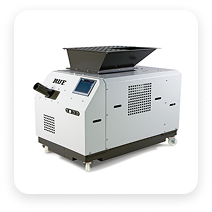
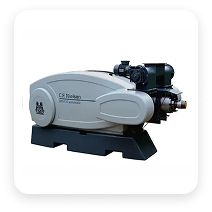
RUF is the leading manufacturer of magnesium briquetting machines in North America
With over 50 years experience in briquetting in Europe and North America, RUF knows how to help manufacturers squeeze more value from magnesium scrap.
Why manufacturers choose RUF for magnesium briquetting machines
- Delivers ROI in as little as 12 months.
- Runs with autonomous, 24/7 operation that lowers labor costs.
- Keeps operations up and running with responsive, U.S.-based service.
Magnesium swarf briquetting
Turn fluid-soaked magnesium swarf into quality, dense briquettes you can sell or reuse for significant savings.
How are magnesium briquettes made?
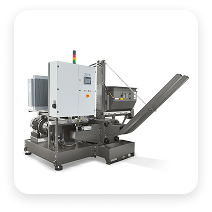
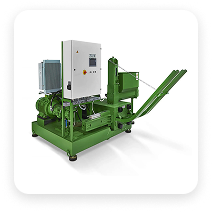
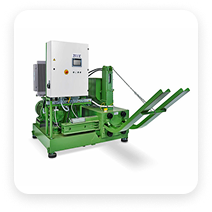
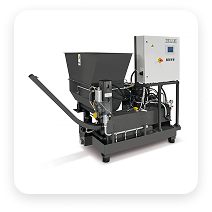
Magnesium briquettes are made of two things: magnesium and pressure. That’s it. A RUF metal briquetting machine hydraulically presses the metal byproducts under high pressure to create a dense, high quality product.
Step 1
Magnesium shavings or chips are moved to a pre-charging chamber by a screw conveyor.
Step 2
A pre-charger presses the material into the main pressing chamber.
Step 3
Cutting fluids are removed.
Step 4
The main pressing ram compresses the material into the mold and forms the briquette into its final shape and density.
Step 5
Briquettes are pushed out of the machine one at a time.