 Industries Using Briquetting
 Value Of Briquetting
 Applications For Briquetting
 Insights
Paper and textile waste creates constant handling and disposal challenges
Handling straw means balancing storage, protection, and reuse. Loose material needs covered space to stay dry and usable, and managing it over time requires planning and oversight. When conditions aren’t right, value can drop quickly and options narrow.
Straw briquetting consolidates loose straw into dense, uniform briquettes that are easier to store, protect, and manage over time.
Benefits of a straw briquette press
Straw is more than a waste product—it’s a valuable biomass material. Briquetting allows farmers and organizations to turn straw waste into a consistent product that’s easier to handle and opens the door to new uses and revenue streams.
Simplify storage and handling
- Shrink straw waste to a fraction of its original size
- Store more material in less space
- Reduce the need for large covered storage areas
- Protect straw from moisture by consolidating it into dense briquettes
Create flexible end uses
- Supply straw briquettes for industrial bio-fuel
- Support use in power and heating plants
- Produce briquettes suitable for animal bedding
- Enable controlled incineration where appropriate
Turn waste into a revenue opportunity
- Create a sellable biomass product
- Reduce disposal or handling costs
- Generate a new revenue stream from straw waste
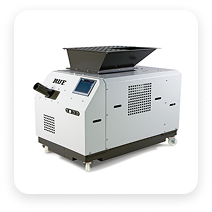
Manufacturers trust the quality of RUF straw briquetting machines
- Systems engineered for straw and fibrous agricultural materials
- In-house engineering and lab testing for consistent briquette quality
- U.S.-based parts and service for reliable uptime
Industrial briquettes for gasification
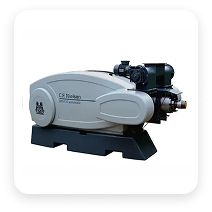
With specialized C.F. Nielsen briquetting machines, we can transform raw materials from agriculture into briquettes that can be used for gasification. For example, our latest waste-to-fuel technology enables briquettes from straw to be used as fuel in power or heating plants.
How are straw briquettes made?
Straw briquettes are made of two things: straw and pressure. That’s it. There are no chemicals or additives, making them a natural product.
Step 1
Straw is moved to a pre-charging chamber by a screw conveyor.
Step 2
A pre-charger presses the material into the main pressing chamber.
Step 3
The main pressing ram compresses the material into the mold and forms the briquette into its final shape and density.
Step 4
Straw briquettes are pushed out of the machine one at a time.