 Industries Using Briquetting
 Value Of Briquetting
 Applications For Briquetting
 Insights
Start with a free test of your materials
Free, no-obligation testing shows results before you invest.

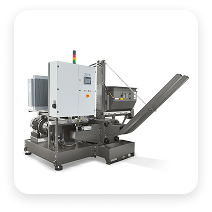
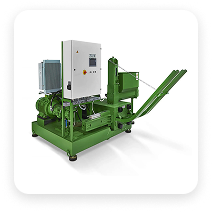
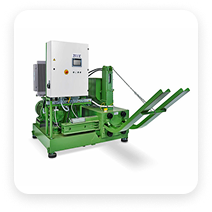
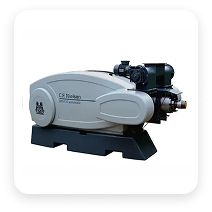
RUF Metal Series
Machines are designed for 24/7 operation, with small maintenance intervals.
The Metal Series of machines are proven to:
- Increase scrap value, with zero binders or additives
- Shrink waste to a fraction of its original size
- Reduce manual labor
- Improve safety and compliance
- Integrate easily into production lines
Download complete specifications for the metal briquetters
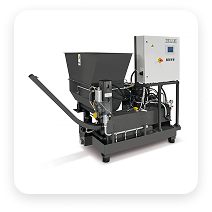
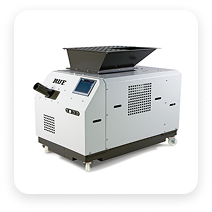
RUF Formika
Turn even small volumes of scrap into revenue with this compact briquetting system for aluminum or steel.
| Volume of materials | |
|---|---|
| Aluminum | Up to 80 lbs/hour |
| Steel | Up to 150 lbs/hour |
| Cast Iron | Up to 150 lbs/hour |
- Ideal for small machining centers: Processes up to 80 lbs/h for aluminum and up to 180 lbs/h for steel.
- Mobile: Move RUF Formika between equipment as needed.
- Flexible: Use as a standalone machine or integrate easily with existing equipment such as Swiss turning machines and lathes.
- Compact: Its small footprint fits into existing operations, and allows you to eliminate bins of waste, freeing up precious floor space.
- Lower cost: With smaller size comes a smaller price tag. We’re pleased to offer a cost-effective machine that can serve even more customers.
| Briquette sizes | |
|---|---|
Briquette size (length is variable) | 60mm diameter |
Formika technical specifications
| Volume of materials | |
|---|---|
| Aluminum | up to 80 lbs/hour |
| Steel | up to 150 lbs/hour |
| Cast Iron | up to 150 lbs/hour |
Formika Technical specifications
See the RUF Formika in action
Peripheral equipment
RUF can also provide you with equipment to augment your metal briquetting machine.
- Conveyors
- Silos
- Storage hoppers
- Lift and tip devices

What is the cost of RUF briquetting machines?
Our smallest metal machine, Formika, starts at $60,000. Our metal series machines start at $105,000.
Industries using metal briquetting


Preventative maintenance & U.S. based support
We’ll ensure you have maximum uptime for years of reliable operations. Explore maintenance plans and secure exclusive savings.
How are metal briquettes made?
Metal briquettes are made of two things: Metal and pressure. That’s it. A RUF metal briquetting machine hydraulically presses the metal byproducts under high pressure to create a dense, high quality product.
Step 1
Metal shavings or chips are moved to a pre-charging chamber by a screw conveyor.
Step 2
A pre-charger presses the material into the main pressing chamber.
Step 3
Cutting fluids are removed.
Step 4
The main pressing ram compresses the material into the mold and forms the briquette into its final shape and density.
Step 5
Briquettes are pushed out of the machine one at a time.